10 Things We Found in Amsterdam
Cast iron, cobalt blue, and one thing we should not have bought.
Five days in November, which in Amsterdam means dark by half past four and raining sideways from about two. We stayed off the Lindengracht in the Jordaan, cycled everywhere badly, and worked from a list of three markets: Waterlooplein on a weekday when the tourists are elsewhere, the Noordermarkt on a Monday morning, and IJ-hallen, which is the largest flea market in Europe and is held in a shipyard shed across the water at NDSM. IJ-hallen has around 750 stalls, costs six euros to get in, and is genuinely overwhelming. We lost each other for forty minutes and found each other at the coffee cart, which is what always happens. Ten things came home. One of them should not have. It costs eleven euros in ferry tickets and about forty minutes each way from Centraal, and it runs one weekend a month, which is worth checking before you build a trip around it.
The cast-iron bicycles came from a man who buys job lots out of foundry clearances. They are seconds: there is a faint flash line along the crossbar where the two halves of the mould met, and the foundry rejected the batch over it. He had eighty. We took forty at three euros fifty each, which is roughly the scrap value of the iron plus a beer. They weigh 340 grams, they are cold in the hand in the way that only iron is, and they will still exist when everything else we sell has been thrown away. The flash line is both the reason they were cheap and the reason we bought them, and we point it out on the passport card rather than hiding it. Freight from Amsterdam to Delhi on forty of them came to more than the bicycles did, which is the arithmetic of selling anything made of iron.
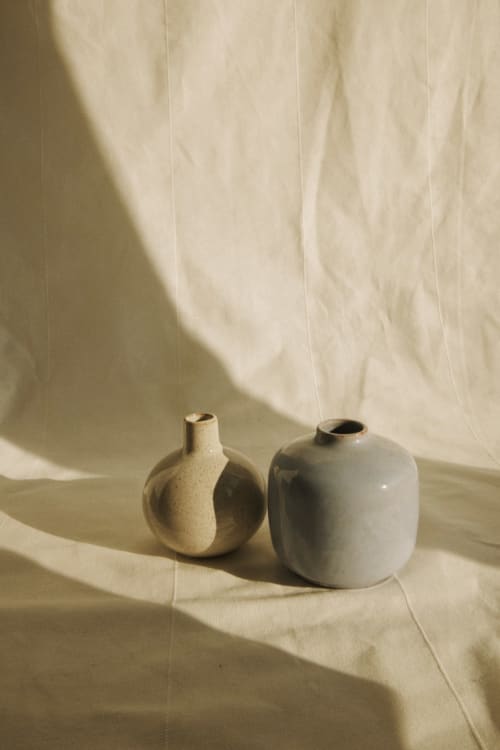
Delftware is where most people get taken. The rule is simple and almost nobody applies it: real hand-painted Delft is tin-glazed earthenware — soft, chips white, painting loose and slightly uneven. The blue-and-white in the shops on Damrak is transfer-printed porcelain from Poland and China: hard, rings when tapped, and the mark on the base is a copy of the De Porceleyne Fles bottle mark with the letters subtly wrong. We bought a small vase from a dealer at the Noordermarkt who handed it to us upside down before he said anything at all, which is how you know you are dealing with somebody serious. Hand-painted, cobalt under the glaze, about 1960, forty-eight euros. He also told us, unprompted, that the base had been ground flat at some point by a previous owner, and knocked eight euros off for it.
Three smaller things. A box of brass finger plates off a demolished house on the Prinsengracht, unpolished, still with paint in the screw slots. A cast-iron stroopwafel iron, hinged, close to two kilos, which we bought for the shop and then kept, because it turns out to make excellent waffles and terrible business sense. And six enamel house numbers in the Amsterdam School manner — white on dark blue, that particular sans serif with the flat-topped threes — from a stall selling nothing but salvaged building fittings, sorted into wooden trays by type. That stall is the best thing at IJ-hallen and it does not have a name. It is near the west wall, about two thirds of the way down. We paid two euros a number and have sold none of them, because we cannot bring ourselves to split the set and nobody wants six unrelated house numbers.
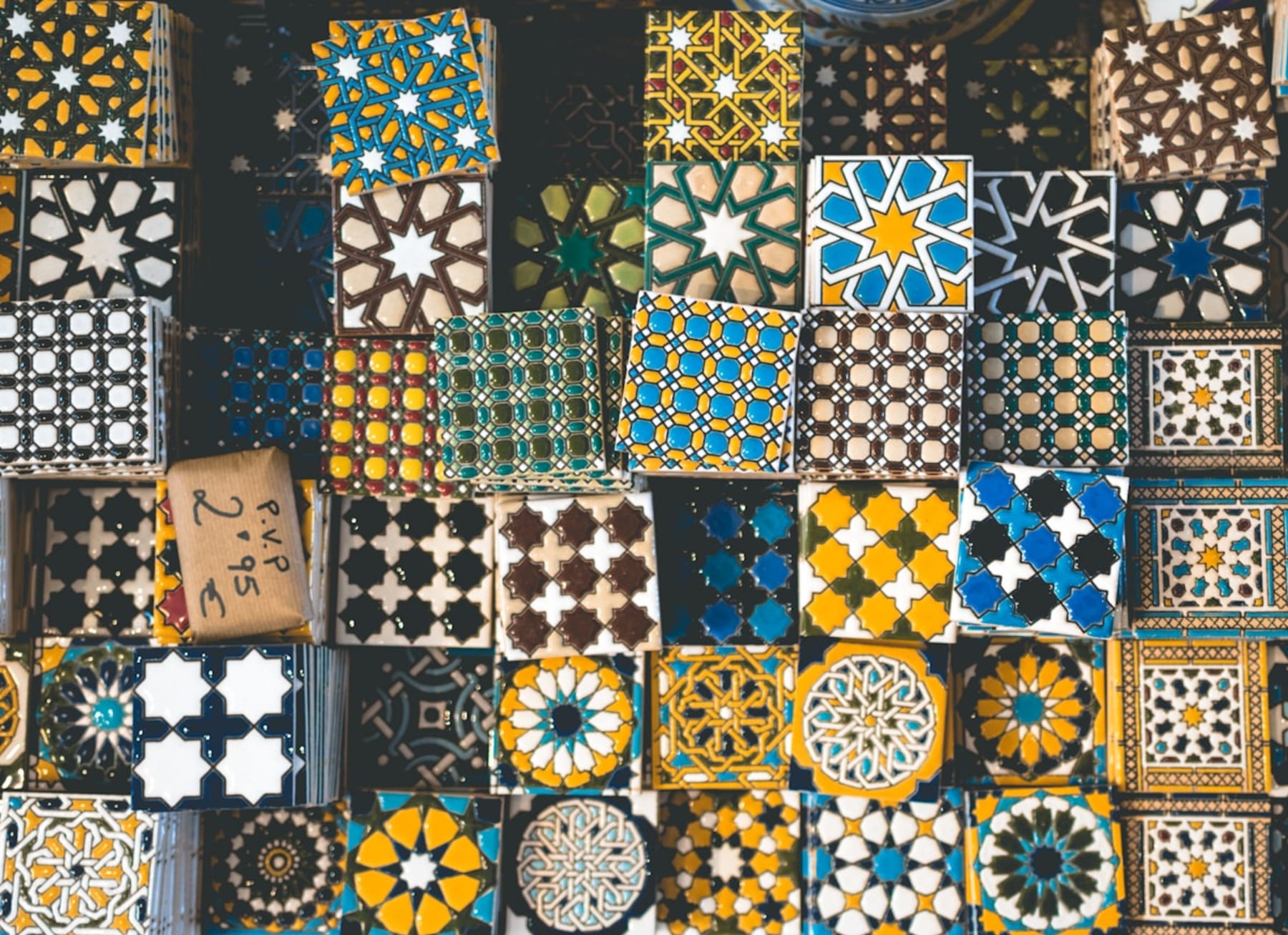
The thing we should not have bought was a tile. Blue on white, a windmill, sold as eighteenth century, 120 euros, in a shop off the Spiegelgracht with every appearance of respectability. We looked at it for ten minutes and bought it in the last three, at the end of a long day, which is the only condition under which we make bad decisions. It is a screen-printed reproduction, probably 1975, worth perhaps eight euros. The dot pattern is visible under a loupe and the back is far too even. It stays on the desk in Delhi as a standing instruction: buy nothing after four in the afternoon, and buy nothing you have not held twice. We did not go back to complain. The shop was within its rights — it said eighteenth century on a card, not on a receipt — and the education was worth roughly a hundred and twelve euros.
The tenth thing was a set of four bone-handled fish knives from Waterlooplein, ten euros, bought because the seller had labelled them niet compleet, niet mooi, wel echt — not complete, not pretty, but real. That is close to a manifesto. Amsterdam has been selling things to visitors since the seventeenth century and has become extremely good at it, and the good market is not hidden so much as unadvertised: it is on a Monday morning, it is outdoors in the cold, and the people running it would rather explain a thing to you than sell it. We are going back in April, when it is light past eight and the enamel man is supposed to be there again. The knives are in a drawer in Delhi and get used at every meal that involves fish, which in our house is about twice a month.